
The method series
Every analysis rests on a choice of method, and most of the ways an analysis goes wrong are made at that moment rather than in the arithmetic.
This series walks the methods behind real business questions: what each one answers, when it misleads, and how our agents choose between them. It is the reasoning we apply to your data, shown on someone else's.
Funnel
A hundred kids saw the poster. Twelve came. Where did everyone go?
People do not vanish all at once; they leave step by step. Count each step and fix the leakiest one first.





Icc
Why did two teachers grade the same essay differently?
When two graders score the same work differently, a number can tell you how much of the score is the work and how much is the grader.




Mcnemar
Two teachers marked the same work. Why did one say pass more often?
Two judges look at the same things. Ignore all the times they agree; the direction of their disagreements tells you if one is stricter.


Multiple Comparisons
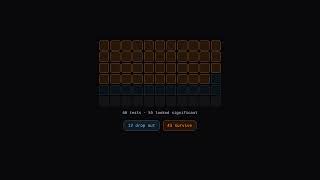
She found 55 patterns in her plants. Were they all real?
Look for enough patterns and some will appear by luck alone. The fix is being harder to convince about each one, the more you look.

Survival
How long do goldfish live, when some are still alive?
You can count how long things last even when some have not ended yet. The ones still going are information, not missing data.




Ab Test
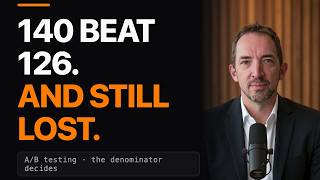
Two jam labels. Which one really sells more?
Two things can score differently just by luck. The more times you count, the smaller luck gets, until a real difference shows through.

Proportions
Ask twenty people, or ask the whole town?
You do not have to ask everyone. A fairly chosen few speaks for the whole group, but the fewer you ask, the more the answer wobbles.

Where to start
One email with your data and your question. We take it from there.
Cymple
Data Scientist
Send me your data and question, I’ll send you the analytics.
Try it on your own data
14 days free.
Answers, analytics and custom analytics. No card, no call, nothing to install.
14 days free. →